Why does a farmer spend his evenings on Github? Because Good Governance needs plumbing -and this is the best we have got
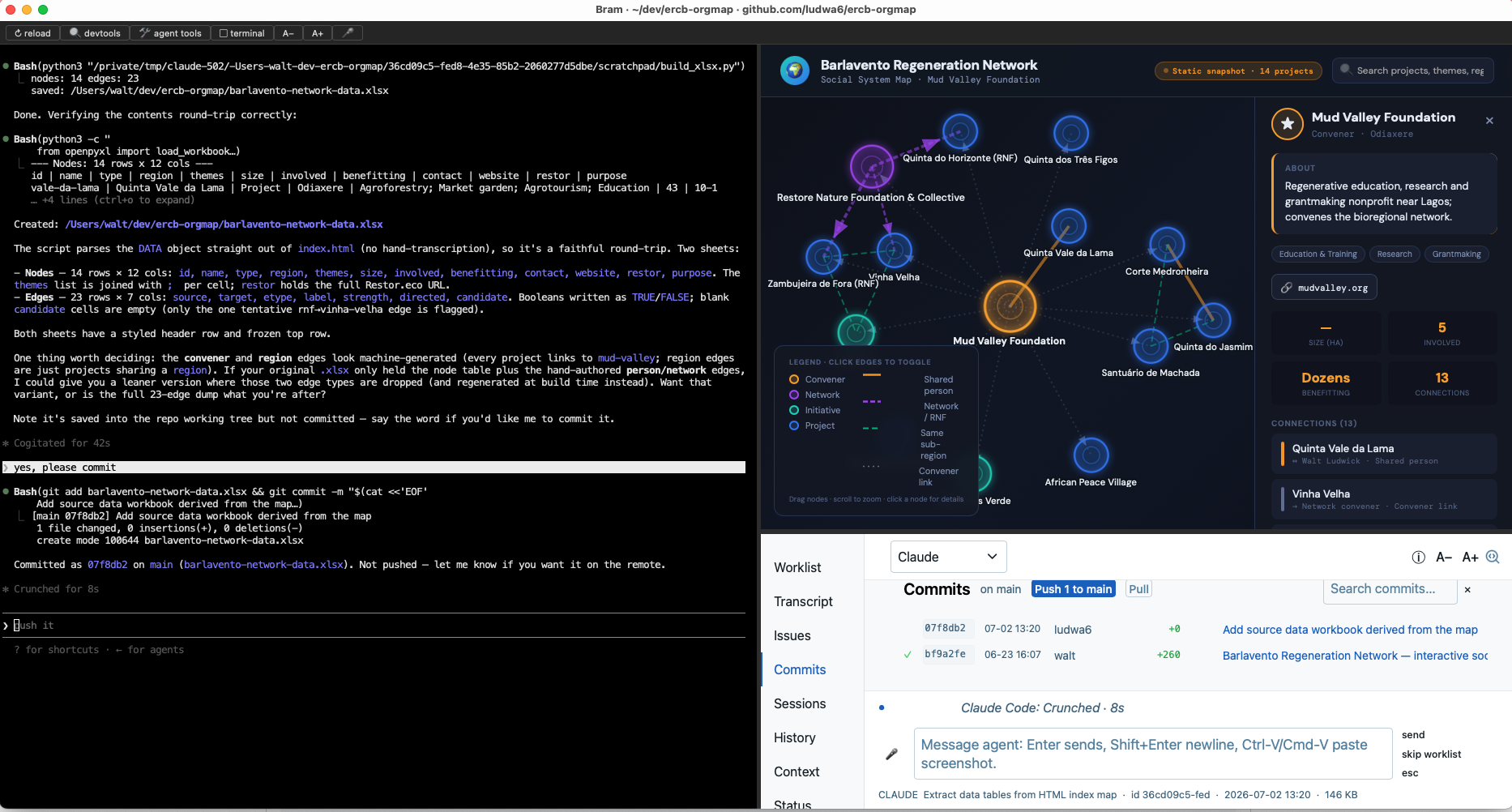
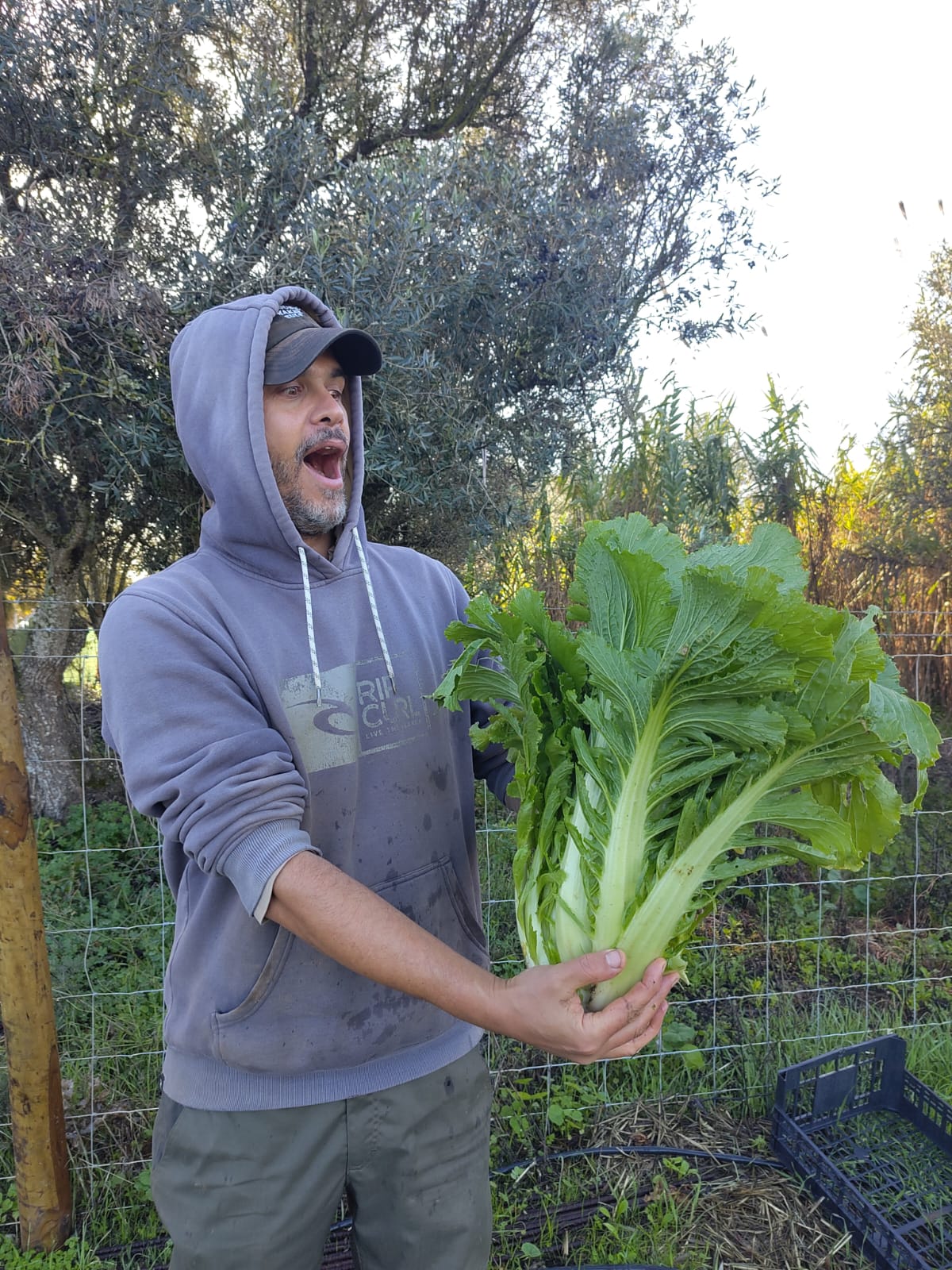
As “ReFarmer Walt,” I feel myself prompted to respond to the question: Why are you spending so much time geeking about Github these days? To which question, i have tended to mumble something about replacing legacy softwares, building more resilient & robust infrastructures for our enterprise, etc. Yet in truth, some of this is tooling that we are not using in production, that is not mine to maintain, so… What is all this about, and why does it matter?
Essentially: it is about Good Governance -a concept that is seriously lacking in practical application on all fronts, it seems these days- which now more than ever requires something that used to be called “Groupware,” a term that fell out of favor many moons ago, but it was a hot topic around the turn of the millenium. In the middle of all that hoo-ha around big vendor “solutions”, there was a book by Jon Udell called Practical Internet Groupware that set forth an alternative approach, based on leveraging the power of a few open standards (IMAP, NNTP -stuff that predates the WWW, even) to solve the simple problem of coordinating work within and between teams that can’t always meet. That was the case in my enterprise, of some hundreds dispersed across multiple time zones, which became a project i led to an unsatisfactory (for me, anyway) compromise, involving commercial software that was too stiff, expensive, and unresponsive to our evolving needs. So for me: this went down in the books as: lost the battle, but came out of it a wiser man determined to fight another day (like Gen. MacArthur: “I shall return” :-) )
Fast forward a quarter century to now, when the challenges are much more complex (more about those below), i am now a Senior Citizen (if 65 qualifies me -i don’t know, they keep moving the goalpost!), and the tools are changing so fast from one day to the next, it is impossible to keep up. NOW onto this stage, who should walk but the very guy who so informed & inspired me all those years ago, with- once again! -a refreshingly simple solution that leverages the power of a rock-solid internet infrastructure (i.e. Github) –this time in the form of a FOSS product that brings AI into the loop in such a way that humans can retain as much control as they deem appropriate, thereby ushering-in the era of “Vibe coding as a team sport.”
Now as to the WHY: 3 reasons
My enterprise requires it
Generally speaking, farming is a complex biz -mine as much as any, despite its modest size. We need software that can be customised to meet ALL the diverse needs in all the different domains, from Agronomy to Zoology and everything in between, including Finance, Marketing, Policy -all that stuff we ReFarmers wish desperately to delegate (but not dump, mind you!)
This business of Responsible Delegation is big with me these days -both because of advancing age, and my inclination (what i try to keep in check, being well aware, but still:) to “move fast, break things” and leave a mess for our more detail-oriented people to pick up after. Succession is my Job#1 these days: not a matter of grooming a special some-one to fill my shoes, but rather one of yielding authority to a system of autonomous, self-organizing roles and structured processes. This results in a rich tapestry of roles and relationships of substantive exchange in a state of constant flux; maintaining a current map of this enterprise ecosystem is possible, only by means of a bespoke software wherein everyone maintains their own part of the puzzle. HOW we do this will be the topic for another post, but as to the WHY: it is the way mother nature organizes ecosystems, which has emerged as the way that works for us on this polycultural farm -naturally enough ;-)
My community needs it
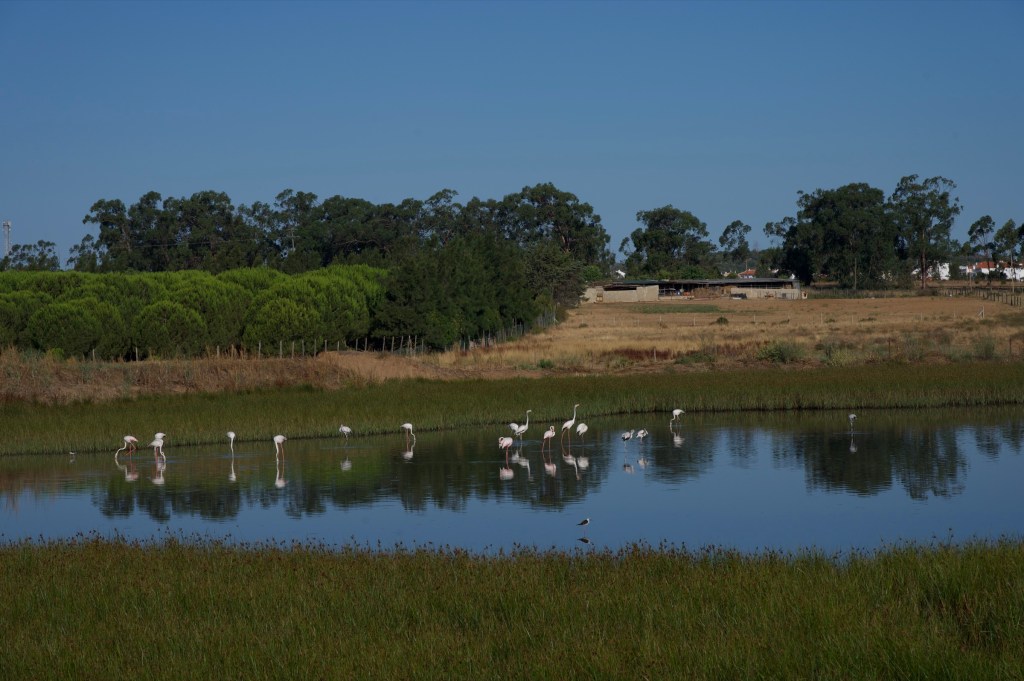
The context in which my farm is embedded faces some environmental challenges- most significantly the trend of encroaching desertification -that has served to galvanise a diverse group of players to action. Gathering farmers, fishermen and foresters together with policy makers and administrators from all levels of government: how can we really hear each other, respecting the unique perspective that each is able to provide, empowering each to do his/her part, however large or small, without stepping on each other?
Consider the case of the Linux kernel -maybe you’ve heard of it? ;-) The lion’s share of online servers depends on it, as does the majority of mobile phones (100% of all Androids). It is maintained by some thousands of active contributors -many paid by companies in direct competition with each other (Intel and AMD, Google and Meta) who have every commercial reason not to trust one another. Coordinating development of that single artefact continuously over thirty-five years -mostly without ever meeting- is possible not because they’re unusually virtuous, but because the tooling makes every proposal public, every decision attributable, and every rejection reviewable. So what is that tooling? In a word, the answer is: GIT (that, and a process of Governance oriented to the common good). [1]
Personally, i am in awe of that project -and moreover jealous that they can all agree to adopt the same powerful tooling. It helps that they are by definition coders… But things have changed since the early days of Linux, both in terms of User Interface and user capabilities, such that it is possible for anyone to see what the coders are up to, submit issues to them, track the progress, and participate in decisions about where development is going. For this reason, i have stood up a Github repository for collaborative development of our community’s not-yet-published/ soon-to-be-celebrated website. Watch this space for more news on that front!
The world is breaking for want of it
… and that “it” is, in a word, Accountability. Easy as it is these days to state one’s position and broadcast it to the world, as the results of such position-taking emerge in the fullness of time, the process of recalling those positions and holding their authors to account can be difficult if not impossible -even in a court of law. Consider the case of Zuck v Sarah Wynn-Williams, the case of Sam v. Elon … The list is endless -all fights about what was actually said and agreed, and when, where the record is contested, private, or destroyed. That is precisely what an issue thread with diffs and timestamps provides: Institutional Accountability (IA: a necessary concomitant, in the age of AI?). And hey: if it can work for a licensing dispute, one can dream about harder cases (like world leaders who wage war without proven justification, maybe?) ;-)
Speaking of dreams, i must confess that if there is one dream i hold most dear: it is that my kids & their progeny will one day live in a world where Might != Right. Why this is so strong in me, i am not sure; i was never bullied (excepting that once in middle school, but then… Long story short: i put an end to it quickly enough), yet: I witnessed episodes of bullying, where i should have and maybe could have helped, and didn’t. Maybe you too can relate. Anyway: it just makes me sick.
SO: Since those Groupware fandangos of ~y2k, having lived and learned-from my share of battles ever since, i feel like the time for pussyfooting around is past. The time is now, we have the know-how and the resources, so… As the Big Chief once said: “I have returned.”

[1] NB: the tooling doesn’t produce Good Governance, it produces an unfalsifiable record. Bad decisions get recorded just as faithfully. What it removes is the ability to be vague later. Most governance failures are failures of vagueness, not of intent.




.jpg)